Revitalizing habitats in the Great Lakes Region
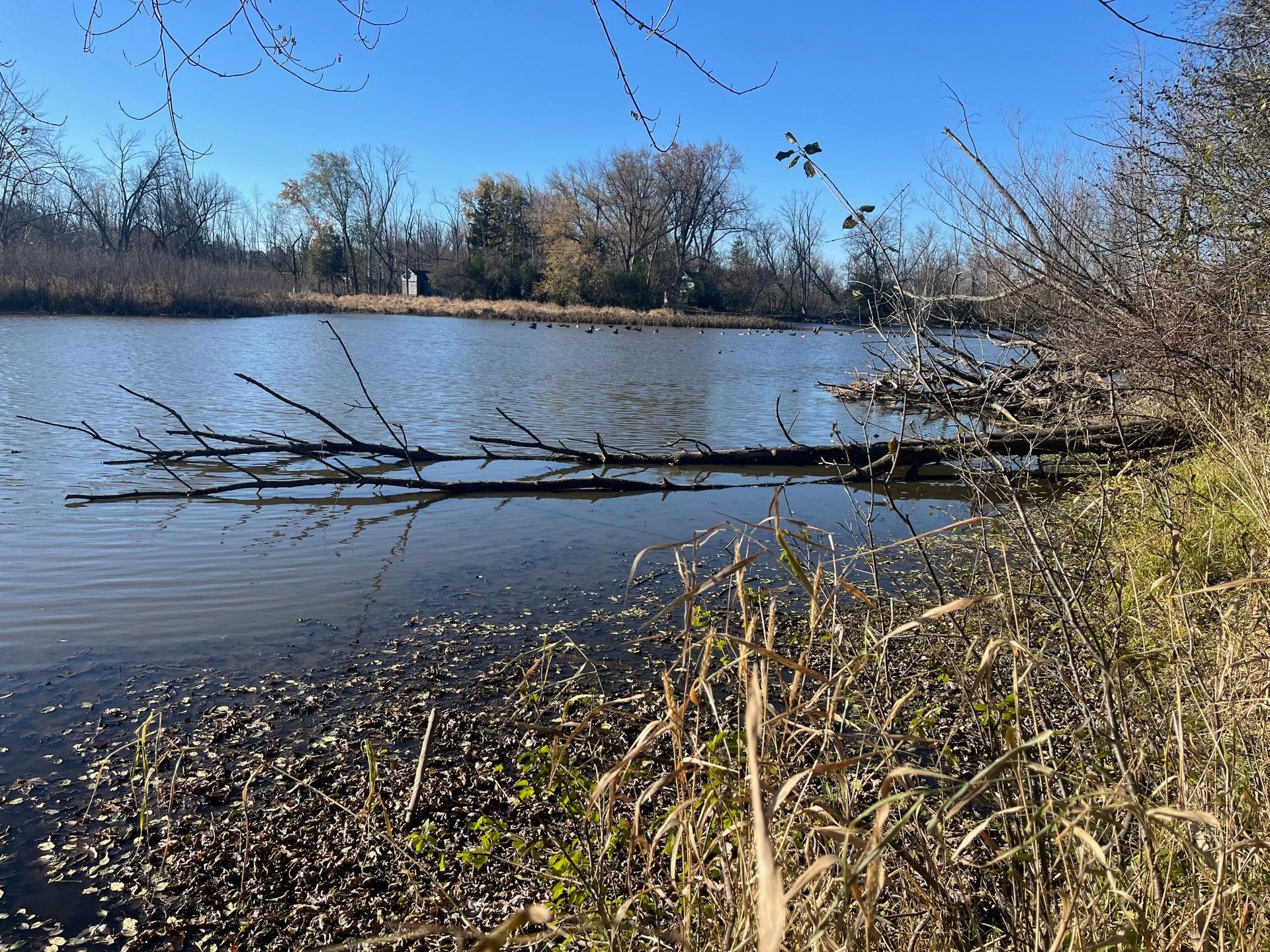
Across the Great Lakes region, restoration is more than an environmental priority; it’s an investment in healthier communities, resilient ecosystems, and a sustainable future. The Great Lakes are one of the world’s most significant freshwater systems, supporting millions of people and an extraordinary diversity of species. Yet many areas within the region have experienced decades of ecological stress, from habitat loss and invasive species to degraded waterways.
One such area is Ville du Parc, an upstream river-corridor property within the Milwaukee Estuary Area of Concern (AOC) under the USEPA Great Lakes Area of Concern Program. Situated along the Milwaukee River corridor in Ozaukee County, the area has experienced habitat degradation and ecological stress that have reduced its ability to fully support native fish and wildlife, healthy hydrology, and connected ecosystems.
A science-based approach to restoration
Ramboll partnered with Restoring Lands, in collaboration with Great Lakes Ecological Services (GLES) and LandCO2, to develop a comprehensive restoration and management plan (RMP) for Ville du Parc that will benefit both people and wildlife and set the property up for sustained resiliency. At its core, our work at Ville du Parc is about understanding the land, so that restoration actions are thoughtfully designed and grounded in science. To do this, we are evaluating terrestrial, aquatic, and riparian habitats and identifying opportunities to strengthen ecological connections across the landscape.
Our team is conducting a range of assessments to support the planning and design of a strategy that supports the long-term recovery of fish and wildlife habitats. By combining field data and historical information, we identify habitat gaps and barriers that limit ecological function and evaluate how restoration actions will affect focal species. Currently, we are developing strategies that enhance connectivity across the landscape and ensure the protection of existing ecological value while still improving conditions.
From planning to lasting impact
The RMP will inform future restoration, support regulatory processes, and guide implementation strategies that can be replicated across similar landscapes. In doing so, the project contributes directly to regional goals. Restoration is not a one-time effort, but a long-term commitment. Projects like Ville du Parc demonstrate how thoughtful planning, scientific rigor, and collaboration can transform degraded landscapes into thriving ecosystems.
RELATED PROJECTS
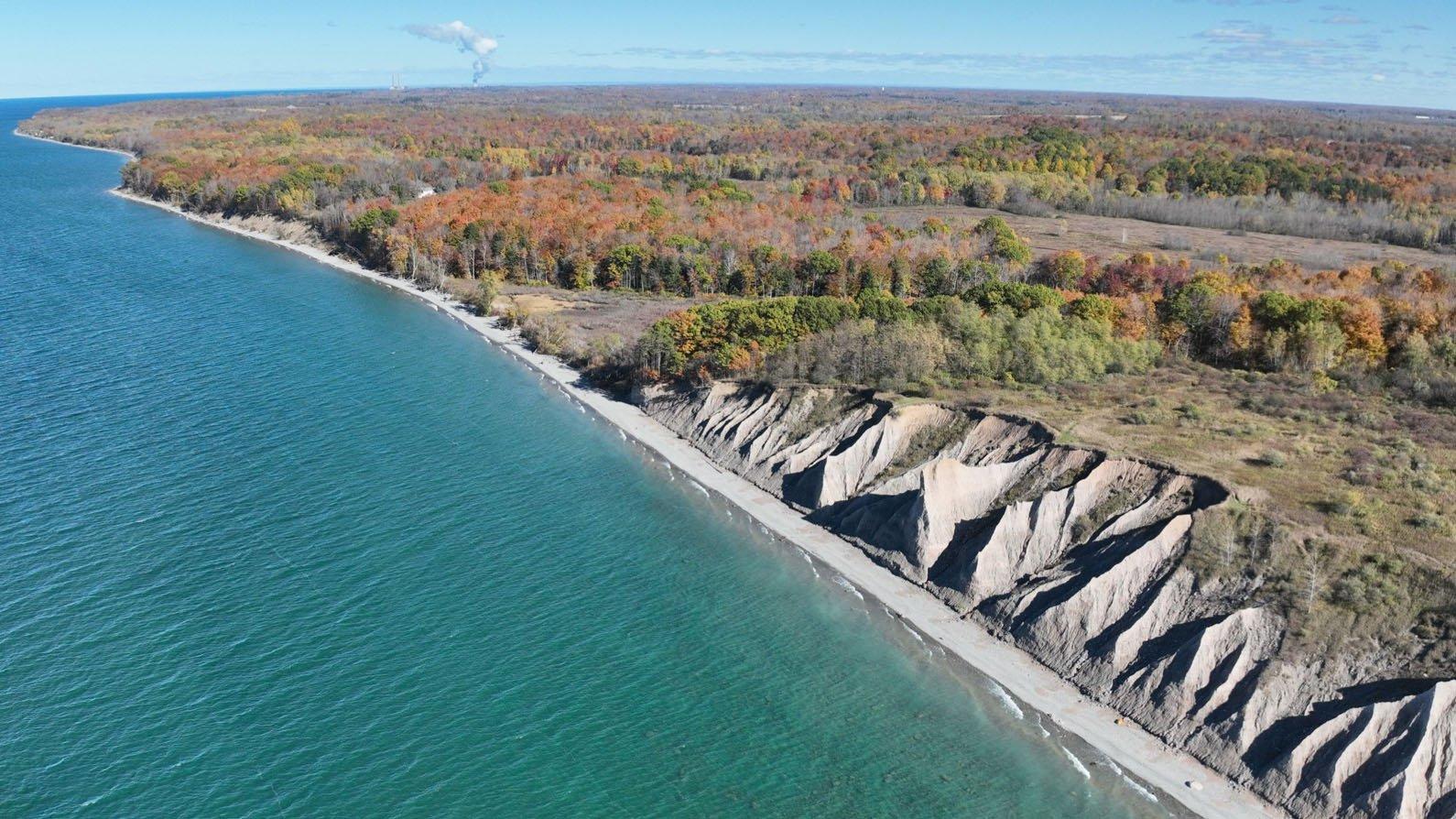
Studying New York’s Lake Ontario shoreline

Project
USA